Latest News

Conditions

Pigmented Villonodular Synovitis (PVNS)

Pigmented Villonodular Synovitis (PVNS)

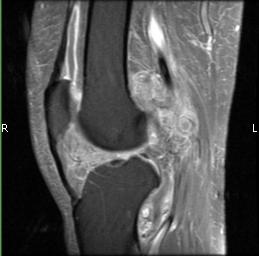
Pigmented Villonodular Synovitis (PVNS) is a benign (non-cancerous) condition that occurs due to overgrowth of the synovium, the tissues that line the joints, or production of excess synovial fluid. A majority of PVNS cases occur in the knee. Treatment of PVNS commonly includes a synovectomy to remove the excess tissue and fluid.
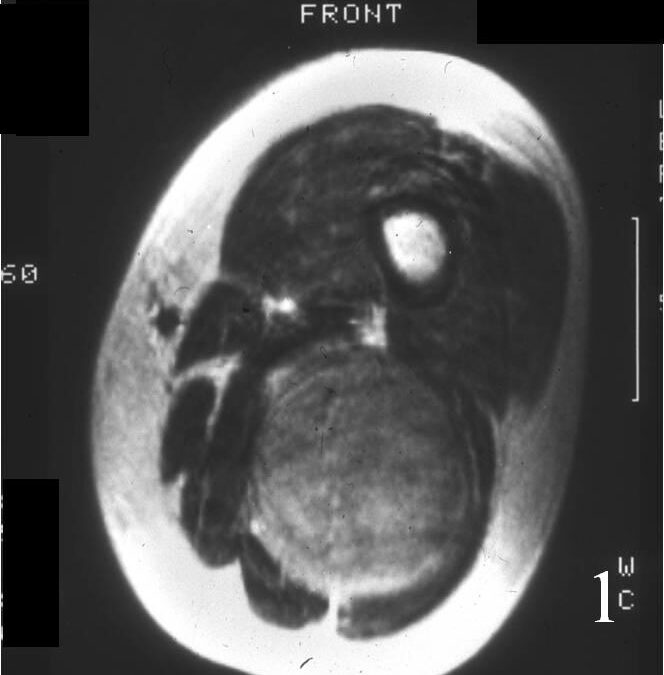
Neurofibroma

Neurofibroma

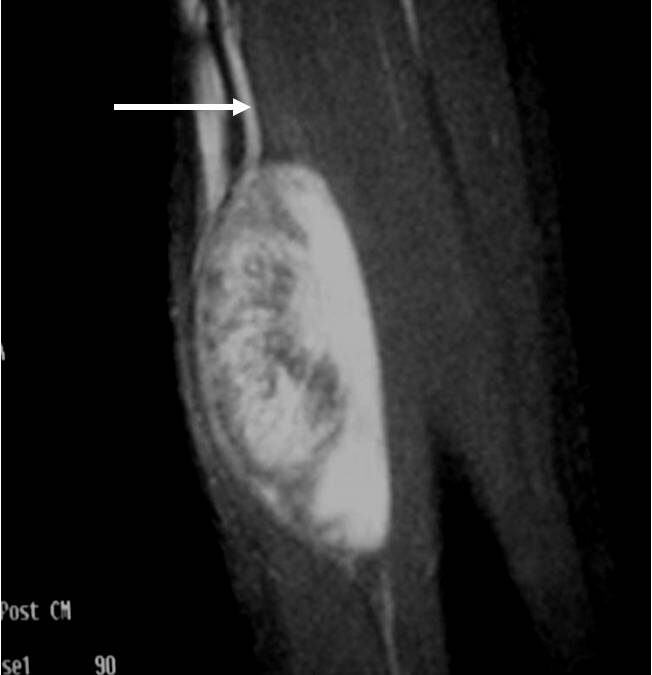
A neurofibroma is a somewhat rare, benign (non-cancerous) soft-tissue tumor that can occur on any peripheral nerve. It presents as a small mass with mild to no symptoms. Surgical removal is a common treatment for nuerofibromas.

Schwannoma

Schwannoma

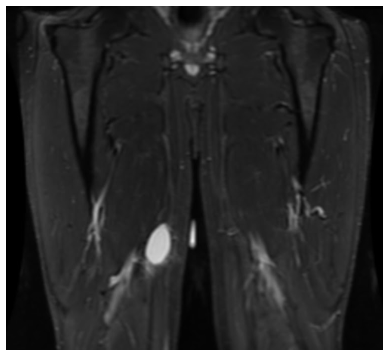
A schwannoma is a benign (non-cancerous), soft-tissue mass that presents on the outer, protective layer of a nerve, called the epineurium. To treat, a schwannoma can be marginally excised, meaning only the schwannoma is surgically removed, to spare or protect the nerve from excision.

Infantile Fibromatosis

Infantile Fibromatosis

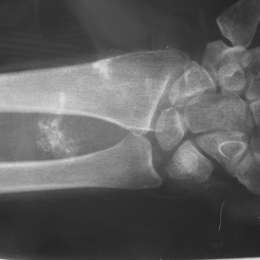
Infantile Fibromatosis is a rare condition that involves the growth of a single or numerous benign (non-cancerous) tumors. It is often referred to as myofibromatosis, due to the abundance of fibrous and smooth muscle stoma. Infantile fibromatosis can affect the skin, muscles, soft-tissues, bones and rarely visceral organs.

Giant Cell Tumor of Tendon Sheath

Giant Cell Tumor of Tendon Sheath

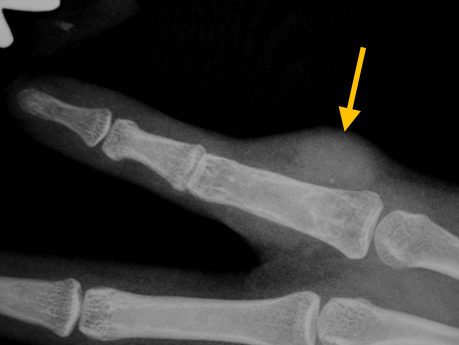
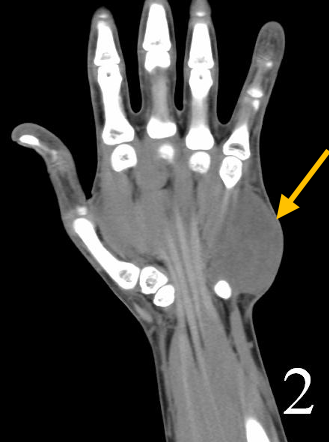
Giant Cell Tumor (GCT) of Tendon Sheath is a benign, or non-cancerous, tumor that can emerge from the tendon sheath or synovium. It most commonly affects the fingers and hand and can be treated with surgical resection or removal of the mass.

Rhabdomyosarcoma

Rhabdomyosarcoma

A cancerous soft tissue tumor that arises from the skeletal muscle. This condition is rare, yet one of the more common cancers seen in children.

Round Cell Liposarcoma

Round Cell Liposarcoma

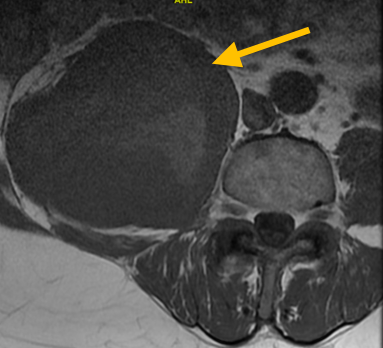
Round Cell Liposarcoma is a malignant, or cancerous, soft-tissue sarcoma that most commonly occurs in the deep tissues of the thigh, or other extremities. It is fairly aggressive and has a greater potential for metastasis.